


Eco-Friendly Ways to Keep Pests Away from Your Home
- Shahid AR
- Jul 27
- 3 min read
If you're fed up with pests in your home but want to avoid harsh chemicals, you're not alone. Many UK homeowners seek effective, safe alternatives. Pests can damage property and pose health risks, but there are eco-friendly options to keep them at bay. This post explores methods for a pest-free home that are kind to the planet.


Understanding Eco-Friendly Pest Control
Eco-friendly pest control eliminates pests using methods safe for humans, pets, and the environment. Traditional pest control often relies on toxic chemicals, which can harm health and ecosystems. By adopting eco-friendly practices, you can protect your family and local wildlife, promoting a sustainable living environment.
Natural remedies can help deter common pests, including essential oils and homemade sprays. Let’s look at practical ways to keep your home pest-free without compromising health or the environment.
Create a Barrier with Essential Oils

Essential oils offer a natural pest control solution. Here are a few effective ones:
Peppermint Oil: Repels ants, spiders, and mice. Mix with water in a spray bottle and apply around entry points.
Lavender Oil: Effective against moths and fleas. Use lavender sachets in closets and drawers.
Tea Tree Oil: A natural insecticide. Mix with water and spray on infested areas.
These oils are safe for your family and pets.

U is a non-toxic powder effective against pests like fleas and cockroaches.
Here’s how to use it:
Spread DE: Lightly coat areas where pests are seen, such as baseboards and cracks.
Safety First: Use food-grade DE, safe for pets and children.
Regular Application: Reapply after rain or heavy cleaning.
DE creates an effective, eco-friendly barrier against pests.
The Most Environmentally Friendly Pesticide
Neem oil, extracted from the neem tree, is a highly regarded natural pesticide. It disrupts insect growth and reproduction.
Application: Mix neem oil with water and mild soap. Spray on affected areas during early mornings or late evenings.
Safe for Other Organisms: Neem oil is safe for beneficial insects and is biodegradable.
Incorporating neem oil into your pest management routine promotes plant health and eco-friendliness.
Keep Your Home Clean and Organised
Regular Cleaning: Sweep and vacuum to remove food debris.
Tighten Storage: Use sealed containers for grains and cereals.
Clutter Control: Reduce clutter that can serve as nesting sites.
Utilise Natural Traps and Barriers
Natural traps can catch pests without harmful chemicals:
Vinegar Traps: For fruit flies, use apple cider vinegar in a bowl covered with plastic wrap with small holes.
Boric Acid: Mix with sugar and water for cockroach bait.
Physical Barriers: Use screens on windows and seal cracks around pipes.
Partnering with Professionals for Eco-Friendly Pest Control

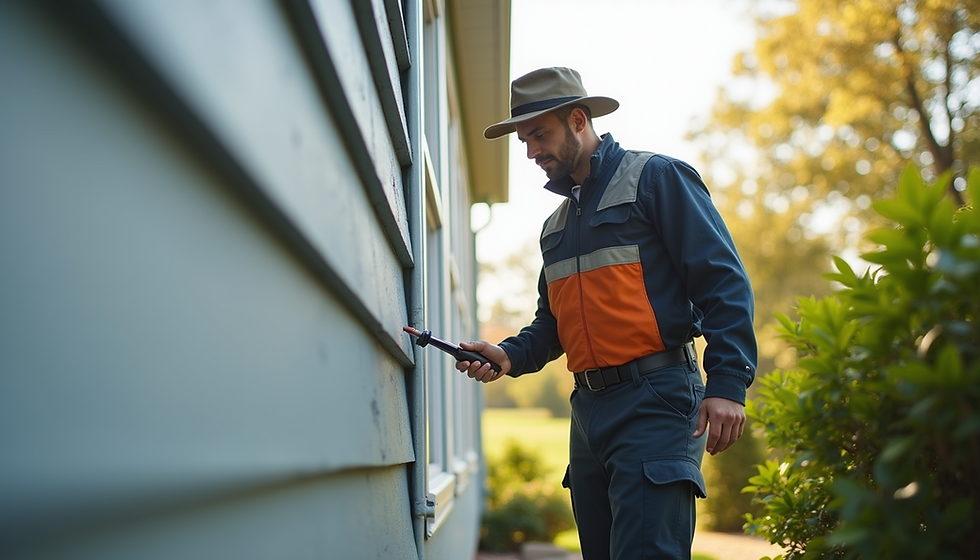
For severe infestations, consider professional help. Look for pest control services like Pest Piper that offer eco-friendly methods. Ask about their products and techniques to ensure they align with your values.
Inquire about certifications from environmental organisations.
With professional assistance, you can achieve a pest-free home while adhering to eco-friendly principles.
Lasting Solutions for Your Pest Problems
By implementing these methods, you can establish a pest control routine that is safe for your family and the environment. The aim is not just to eliminate pests but also to prevent their return. Embrace eco-friendly pest management for the well-being of your home and the planet.


Comments